Classic Hollandaise: Elevate Brunch & Seafood with This Sauce
There are few sauces that command as much respect and admiration in the culinary world as Hollandaise sauce. This iconic, rich, and velvety emulsion is a cornerstone of countless elegant dishes, instantly transforming a simple meal into a gourmet experience. Often associated with fancy restaurants and complex techniques, many home cooks shy away from attempting homemade hollandaise. However, what if we told you that mastering this buttery, lemony delight is not only achievable but surprisingly simple, especially with modern kitchen tools? Get ready to elevate your brunch and seafood game like never before.
What is Hollandaise Sauce? A Culinary Staple
At its heart, Hollandaise is one of the five French "mother sauces," a foundational pillar of classic cuisine. Its elegant profile stems from a seemingly simple blend of egg yolks, melted butter, and lemon juice, typically seasoned with a hint of Dijon mustard, salt, and a pinch of cayenne pepper. The magic lies in the emulsification process – suspending tiny droplets of butter within the egg yolk mixture to create a stable, smooth, and utterly luxurious sauce. This delicate balance results in a creamy consistency and a harmonious flavor that is both bright and indulgent.
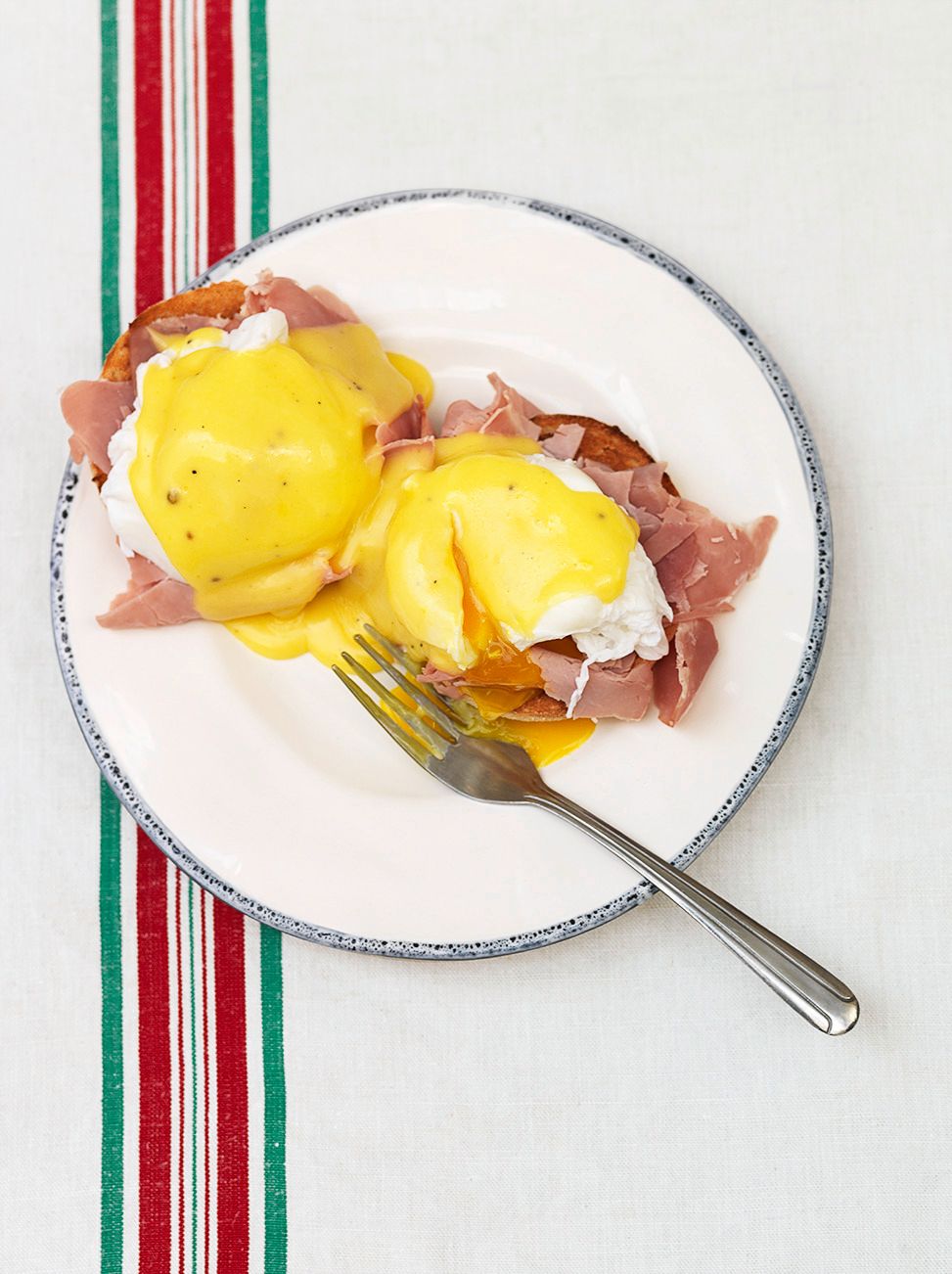
For most, their first encounter with this luscious sauce is atop the quintessential Eggs Benedict, where its golden cascade perfectly complements poached eggs and Canadian bacon. But its versatility extends far beyond breakfast plates. Imagine tender, steamed asparagus spears dripping with golden hollandaise, or flaky salmon fillets brought to life by its vibrant, rich taste. It's a sauce that promises a touch of sophistication and unparalleled flavor, making it a true culinary staple.
The Myth Debunked: Hollandaise is Easier Than You Think
The traditional method of making hollandaise by hand, involving a double boiler and constant whisking, can indeed be intimidating. The fear of "breaking" the sauce – where the emulsion separates into an oily, curdled mess – has deterred many aspiring home chefs. But thanks to modern kitchen innovations, particularly the trusty blender, the daunting reputation of homemade hollandaise sauce is now a myth.
The blender method (or immersion blender method) revolutionizes the process, turning a complex culinary feat into a simple 5-minute task. It removes the need for precise heat management over a stovetop, allowing for a virtually foolproof creation. This game-changing technique means you can whip up a restaurant-quality hollandaise from scratch in moments, ready to impress your guests or simply indulge your own cravings.
Mastering the Blender Method: Your 5-Minute Guide
The secret to a perfect, no-fail Hollandaise sauce in a blender lies in two critical elements: extremely hot butter and a slow, steady stream. Forget the whisking marathon; this method is quick, clean, and incredibly effective.
Ingredients You'll Need:
You likely have most, if not all, of these six essential ingredients already in your fridge and pantry:
- Egg Yolks: Fresh, high-quality egg yolks are key for color and emulsification.
- Lemon Juice: Freshly squeezed lemon juice provides the essential bright, acidic counterpoint to the richness.
- Dijon Mustard: A small amount adds a subtle depth of flavor and also helps stabilize the emulsion.
- Salt: To enhance all the flavors.
- Cayenne Pepper: A pinch offers a gentle warmth without making the sauce spicy.
- Unsalted Butter: The backbone of the sauce. Use good quality butter for the best flavor.
Step-by-Step Instructions for Flawless Hollandaise:
- Heat the Butter: This is arguably the most crucial step. Melt your butter in a microwave-safe liquid measuring cup (the spout makes pouring easier) for about 1 minute, until it's not just melted, but *hot*. It should be almost sizzling, around 220-240°F (105-115°C). The heat is essential for properly cooking the egg yolks and forming a stable emulsion.
- Prepare the Yolk Mixture: In a high-powered blender (or a jar for an immersion blender), combine the egg yolks, fresh lemon juice, Dijon mustard, salt, and cayenne pepper. Blend these ingredients for about 5 seconds until they are well combined and slightly foamy.
- Emulsify with Hot Butter: With the blender running on low to medium speed, slowly and steadily stream the hot melted butter into the egg yolk mixture. The key here is patience; don't dump it all in at once. A thin, continuous stream allows the sauce to emulsify gradually, resulting in a smooth, thick consistency.
- Serve Immediately: Once all the butter has been incorporated and the sauce is velvety smooth, pour it into a small bowl. Your exquisite homemade hollandaise sauce is now ready to be drizzled over your chosen meal!
For those using an immersion blender, the process is equally straightforward. Place all ingredients except the hot butter into a tall, narrow cup. With the blender firmly planted at the bottom, turn it on and slowly drizzle in the hot butter. The emulsion will form right before your eyes, creating a perfect hollandaise in moments.
Beyond Eggs Benedict: Creative Pairings for Hollandaise
While Eggs Benedict is undeniably the poster child for hollandaise, limiting its use to just one dish would be a culinary disservice. This versatile sauce has the power to elevate a wide array of ingredients, making it a fantastic addition to both casual meals and elaborate dinner parties.
- Seafood Sensation: Hollandaise is a natural partner for almost any seafood. Its rich, buttery profile beautifully complements the delicate flavors of:
- Salmon: Pan-seared or baked, a dollop of hollandaise transforms salmon into a luxurious dish.
- Lobster & Crab: Drizzled over steamed lobster tails or crab cakes, it adds an irresistible layer of indulgence.
- Scallops & Prawns: A perfect finish for seared scallops or grilled prawns.
- Vegetable Virtuoso: Simple steamed or roasted vegetables become extraordinary with a generous blanket of hollandaise.
- Asparagus: A classic pairing, the sauce highlights the earthy sweetness of fresh asparagus.
- Broccoli & Cauliflower: Makes these everyday vegetables feel gourmet.
- Green Beans: A bright and creamy contrast.
- Artichokes: A superb dipping sauce for steamed artichoke leaves.
- Meat Marvels: Don't overlook hollandaise as a sauce for meats.
- Steak: A surprising but delicious alternative to béarnaise or peppercorn sauce.
- Chicken: Drizzle over grilled or pan-fried chicken breasts for an elegant touch.
- Potato Perfection: Elevate potato dishes from simple to sublime.
- Roasted Potatoes: A creamy finish to crispy potatoes.
- Potato Hash: A decadent addition to breakfast or brunch hashes.
Troubleshooting Common Hollandaise Hiccups (and How to Fix Them)
Even with the foolproof blender method, sometimes things can go awry. The beauty of hollandaise is that it's often salvagable. Don't fret if your sauce breaks or doesn't come together; these simple fixes can bring it back to life.
- If Your Sauce Breaks (Separates): A broken hollandaise looks curdled or oily. This usually happens if the butter was added too quickly, or if the temperature balance was off.
- Method 1: Boiling Hot Water: While blending the broken sauce, slowly add 1-2 tablespoons of boiling hot water. The hot water helps to re-emulsify the mixture by heating up the fats and proteins, encouraging them to bind together again. Blend until the consistency is smooth.
- Method 2: Extra Egg Yolk: With the blender running, add an extra egg yolk along with a teaspoon of hot water into the broken sauce. Blend until it becomes perfectly creamy again. The fresh egg yolk provides new lecithin (an emulsifier) and proteins to help bind the fats.
- If Your Sauce is Too Thin: This could mean your butter wasn't hot enough, or it was added too slowly without enough agitation. Try blending in another tablespoon of very hot butter, streaming it in slowly. Alternatively, a tiny pinch of cornstarch mixed with a teaspoon of cold water can be added while blending, but this can affect the flavor slightly.
- If Your Sauce is Too Thick: Simply whisk in a teaspoon or two of warm water or lemon juice until you reach your desired consistency.
The key takeaway? Don't be afraid to experiment and adjust. Hollandaise is forgiving, and these simple tricks will help you achieve a velvety smooth sauce every time.
Serving and Storing Your Homemade Hollandaise
Hollandaise sauce is undoubtedly at its best when served fresh, immediately after preparation. Its delicate emulsion is most stable and flavorful when warm. However, if you need to keep it warm for a short period (up to 30 minutes), you have a couple of options:
- Low Heat: Place the bowl of hollandaise over a very low heat, such as a double boiler with barely simmering water (ensure the bowl doesn't touch the water). Whisk occasionally to maintain consistency.
- Thermos: A preheated thermos-style container can keep the sauce warm and prevent separation for a short duration.
Reheating hollandaise is possible, but it requires caution. Because it contains egg yolks, there's a risk of them cooking further, leading to a grainy texture or separation. If you must reheat:
- Microwave (Caution!): Place the sauce in a glass bowl. Heat in 10-second intervals on a low power setting, whisking vigorously after each interval until just warm. Do not overheat.
- Double Boiler: Gently warm over a double boiler, whisking constantly. Add a few drops of warm water if it seems too thick.
For food safety, it's generally recommended to consume homemade hollandaise within a few hours of making it due to the raw egg yolks. When in doubt, fresh is always best.
Conclusion
Hollandaise sauce, once a daunting culinary challenge, has been demystified by the wonders of modern kitchen equipment. With this straightforward blender method, you can effortlessly create a rich, buttery, and zesty sauce that will elevate any meal it graces. From the classic elegance of Eggs Benedict to transforming everyday vegetables and seafood into gourmet delights, homemade hollandaise is a skill worth mastering. So, gather your ingredients, fire up your blender, and prepare to impress yourself and your loved ones with this timeless and incredibly versatile classic. Your brunch spreads and dinner plates will thank you!
