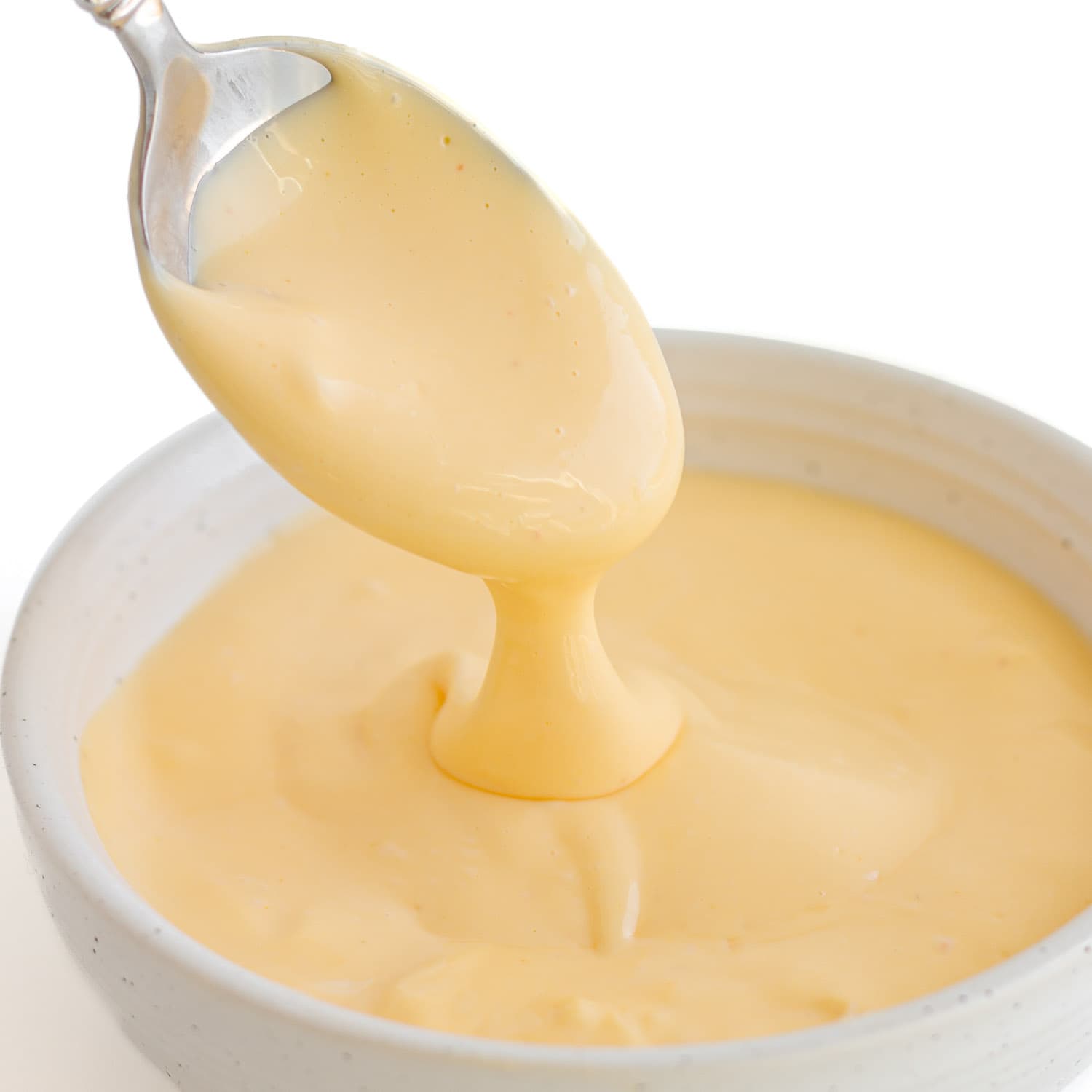
Master Hollandaise Sauce: Easy Recipe & Troubleshooting Tips
There are few culinary delights that instantly elevate a dish from simple to sublime quite like a perfectly crafted hollandaise sauce. This iconic, creamy, and tangy emulsion has graced brunch tables and fine dining plates for centuries, most famously as the crowning glory of Eggs Benedict. Yet, for many home cooks, the thought of making hollandaise from scratch conjures images of curdled messes and whisking arm fatigue. We're here to banish those fears!
Forget the intimidating reputation. Today, we're going to demystify this classic French mother sauce, proving that a silky, rich, and utterly delicious hollandaise sauce is not only within your reach but can be whipped up in mere minutes using a blender. Prepare to impress your family and friends with a sauce that tastes like it came straight from a gourmet kitchen, without the stress.
Unveiling the Magic: What Makes Hollandaise So Special?
At its heart, hollandaise sauce is a delicate emulsion of egg yolks and butter, brightened with lemon juice and often a hint of Dijon mustard and cayenne pepper. It’s one of the five foundational "mother sauces" of classical French cuisine, a testament to its versatility and enduring appeal. The term "emulsion" simply means combining two liquids that don't naturally mix (like oil and water) into a stable, homogeneous mixture. In hollandaise, the lecithin in the egg yolks acts as the emulsifier, binding the molten butter and lemon juice together.
The resulting texture is velvety smooth and luxuriously creamy, while its flavor profile is a harmonious balance of rich butter, zesty lemon, and a subtle warmth from the spices. This delightful complexity makes it an unparalleled companion for a wide array of dishes. Beyond the ubiquitous Eggs Benedict, envision it drizzled over perfectly poached salmon, steamed asparagus, roasted broccoli, or even fresh, sweet lobster. It cuts through richness, adds a bright tang, and enrobes ingredients in a coat of pure culinary gold.
The Foolproof Blender Hollandaise Recipe: Your 5-Minute Masterpiece
This method truly is a game-changer. It eliminates the constant whisking and delicate temperature control often associated with traditional stovetop hollandaise, making it accessible to even beginner cooks. You'll be amazed at how quickly you can achieve a restaurant-quality sauce.
Ingredients You'll Need:
- 2 large egg yolks
- 1/2 cup (113g) unsalted butter
- 1-2 tablespoons fresh lemon juice (to taste)
- 1/2 teaspoon Dijon mustard (optional, but highly recommended for depth)
- Pinch of salt
- Pinch of cayenne pepper (optional, for a subtle kick)
Step-by-Step Instructions:
- Melt the Butter (and make it HOT!): The key to a successful emulsion here is hot butter, not just melted. Place your butter in a microwave-safe measuring cup (one with a spout is ideal for pouring). Microwave on high for about 1 minute, or until it's completely melted and shimmering hot. It should be hot enough to sizzle slightly, but not browned.
- Combine Base Ingredients: In a high-powered blender, combine the egg yolks, lemon juice, Dijon mustard (if using), salt, and cayenne pepper (if using). Blend on high for just 5-10 seconds to fully combine and lighten the mixture.
- Slowly Stream in Hot Butter: With the blender running on low to medium speed, slowly and steadily stream the hot melted butter into the egg yolk mixture. Pour it in a thin, continuous stream. As you pour, you'll notice the sauce begin to thicken and emulsify, transforming into that beautiful, velvety consistency.
- Serve Immediately: Once all the butter is incorporated and the sauce is thick and creamy, turn off the blender. Pour your magnificent hollandaise sauce into a small serving bowl and drizzle it generously over your favorite dishes.
Using an Immersion Blender?
If you prefer an immersion blender, the process is equally simple! Combine all ingredients *except* the hot butter in a tall, narrow jar or cup that your immersion blender fits snugly into. Place the immersion blender firmly on the bottom of the container. Turn it on, and then slowly drizzle in the hot butter from the top while the blender is running. It will emulsify beautifully in moments. For more detailed instructions on this method, check out our guide on Foolproof Blender Hollandaise: Creamy Sauce in Just Minutes.
Troubleshooting Common Hollandaise Hurdles: From Broken to Beautiful
Even with the foolproof blender method, sometimes things don't go perfectly. The fear of a "broken" or separated sauce is one of the main reasons people shy away from making hollandaise sauce. But don't fret! A broken hollandaise can almost always be saved. A broken sauce usually looks like a speckled, oily mess with separated liquid, rather than a smooth, cohesive emulsion.
Why Does Hollandaise Break?
The most common culprits are:
- Butter Temperature: The butter wasn't hot enough, or it was too hot and started to cook the yolks.
- Pouring Speed: The butter was added too quickly, overwhelming the egg yolks' emulsifying capacity.
- Lack of Movement: Insufficient blending or whisking during the emulsification process.
How to Rescue a Broken Hollandaise:
If your sauce separates, don't throw it out! Try one of these two effective methods:
- The Hot Water Method:
- Scoop your broken sauce back into the blender (or bowl if using an immersion blender).
- Boil 1-2 tablespoons of water until very hot.
- With the blender running, slowly drizzle in the boiling hot water, just a teaspoon at a time. Continue blending until the sauce re-emulsifies and returns to its creamy consistency. The hot water helps "reset" the emulsion.
- The Extra Egg Yolk Boost:
- In a clean bowl or the blender, add 1 fresh egg yolk and 1 teaspoon of hot water.
- Start blending (or whisking vigorously if by hand).
- Once combined, slowly drizzle your broken hollandaise sauce into this new egg yolk mixture while continuously blending. The fresh egg yolk provides additional lecithin to bind everything back together.
With a little patience, you can almost always bring your sauce back to life, turning a potential disaster into a minor hiccup.
Serving & Storing Your Golden Creation
While making hollandaise sauce is incredibly satisfying, enjoying it fresh is truly the best experience. Its delicate emulsion is most stable and flavorful immediately after preparation.
Ideal Serving Suggestions:
- Brunch Classics: The undisputed champion for Eggs Benedict (try our Classic Hollandaise: Elevate Brunch & Seafood with This Sauce for more inspiration), poached eggs, and egg florentine.
- Vegetables: Transform simple steamed or roasted asparagus, broccoli, green beans, or artichokes into gourmet sides.
- Seafood: A dollop over grilled salmon, pan-seared scallops, or poached cod is divine. It's also spectacular with rich crustaceans like lobster and crab.
- Other Dishes: Even chicken or a simple potato dish can benefit from a drizzle of this luxurious sauce.
Keeping Warm (Short-Term):
If you need to hold the sauce for a short period (up to 30 minutes) before serving, be cautious with heat. Too much heat can cause the eggs to cook and the sauce to break. A few options:
- Very Low Heat: Place the serving bowl over a pot of barely simmering water (a double boiler setup), ensuring the bottom of the bowl doesn't touch the water. Whisk occasionally.
- Thermos: A pre-warmed thermos-style container can keep it warm for a short time.
Reheating Hollandaise (Use Caution!):
Reheating hollandaise sauce is possible, but it comes with a significant risk of the sauce breaking or the egg yolks cooking. It's truly best made fresh. If you must reheat, proceed with extreme care:
- Microwave Method: Place the sauce in a glass bowl. Microwave on very low power (20-30%) for 10-15 second intervals, whisking vigorously after each interval, until just warmed through. Do not let it get hot.
- Double Boiler Method: Gently warm the sauce over a pot of barely simmering water, whisking constantly until it's just warm. Remove from heat immediately once warm.
Always remember, fresh is paramount for the ultimate taste and texture experience.
Conclusion
No longer should the esteemed hollandaise sauce be a source of kitchen anxiety. With the simplicity of a blender and a few key tips, you are now equipped to create this luxurious emulsion with confidence. Its ability to transform ordinary ingredients into an extraordinary meal is unmatched, making it a truly valuable addition to your culinary repertoire. So go ahead, embrace the richness, savor the tang, and master the art of homemade hollandaise – your taste buds will thank you!
