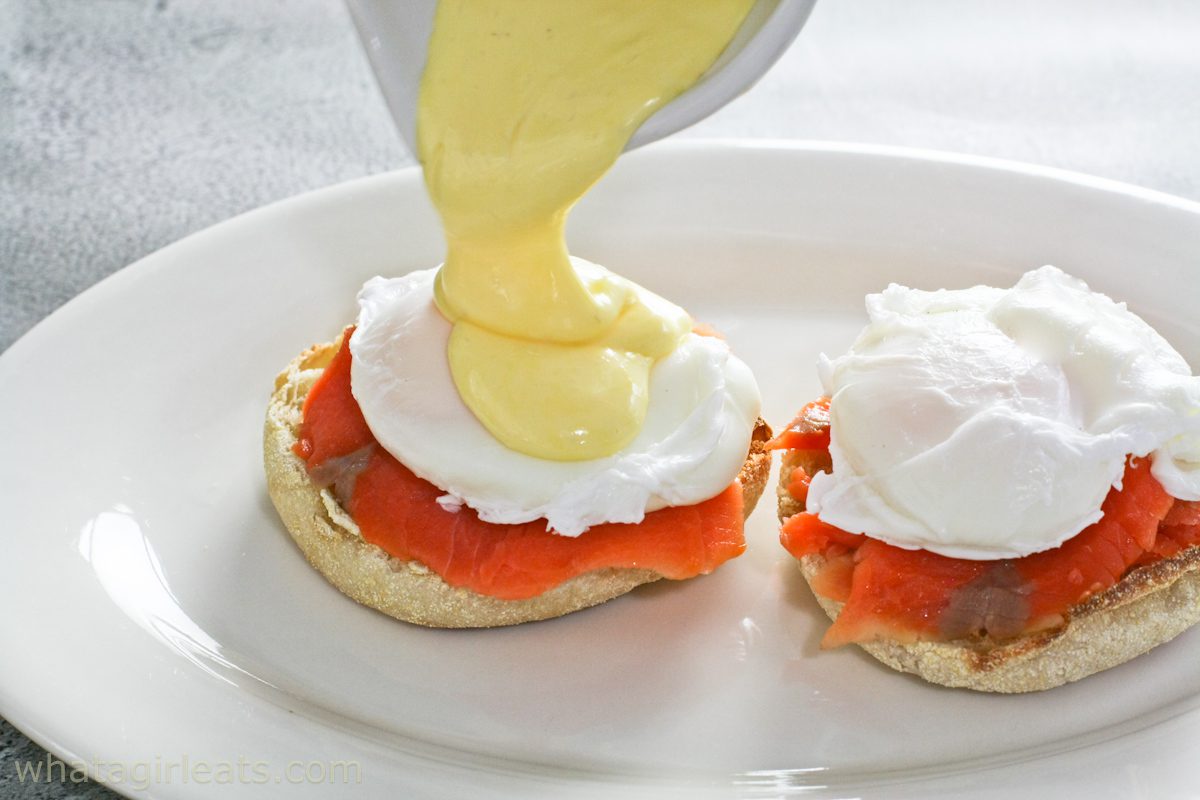
The Allure of Hollandaise Sauce: A Culinary Classic Rediscovered
Imagine a sauce so luxurious, so velvety, and so utterly delicious that it transforms any meal into a gourmet experience. We’re talking about hollandaise sauce, the quintessential partner to eggs Benedict, steamed asparagus, and succulent seafood. For years, this classic French emulsion has intimidated home cooks, shrouded in a reputation for being notoriously tricky to master. Visions of broken sauces and endless whisking often deter even seasoned chefs from attempting it.
But what if we told you that achieving perfectly creamy, restaurant-quality hollandaise sauce is not only incredibly easy but can be done in a mere matter of minutes, right in your own kitchen? Thanks to the magic of modern kitchen appliances, the blender method has revolutionized how we approach this culinary masterpiece. Gone are the days of constant whisking over a double boiler. Today, we'll guide you through creating a foolproof blender hollandaise that delivers exceptional flavor and texture every single time, banishing any fear of failure.
At its heart, hollandaise sauce is an elegant emulsion of egg yolks, melted butter, and lemon juice, seasoned with a touch of salt and often a hint of Dijon mustard and cayenne pepper. Its rich, buttery flavor profile, balanced by the bright tang of lemon, makes it an incredibly versatile accompaniment. While most famously associated with the iconic brunch dish, eggs Benedict, its creamy consistency and complex taste meld beautifully with a wide array of ingredients. Beyond breakfast and brunch, this golden elixir elevates simple steamed vegetables like asparagus, broccoli, or green beans into something extraordinary. Drizzled over pan-seared salmon, grilled chicken, or even a humble baked potato, hollandaise sauce adds a layer of sophistication and indulgence that’s hard to beat. It’s no wonder it’s considered one of the five "mother sauces" of classical French cuisine.
Why the Blender Method is a Game-Changer for Hollandaise
The traditional method for making hollandaise sauce involves carefully whisking egg yolks over a gentle heat, then slowly drizzling in melted butter – a process that requires patience, a keen eye for temperature, and strong arm muscles. Any misstep, and you risk the sauce separating, curdling, or simply refusing to emulsify. This is where the blender steps in as your culinary hero, making the process virtually foolproof.
The high-speed action of a blender, whether a traditional countertop model or an immersion blender, creates the perfect environment for emulsification. It rapidly combines the ingredients, forcing the fat (butter) and water (lemon juice, egg yolks) to bind together into a stable, creamy sauce. This technique not only dramatically cuts down on preparation time – we’re talking minutes, not agonizing stretches of whisking – but also significantly reduces the risk of failure, even for absolute beginners.
For an even quicker alternative, if you have an immersion blender, you can achieve the same spectacular results. Simply combine all ingredients except the hot butter in a tall, narrow cup. Turn the blender on, keeping it firmly at the bottom of the cup or jar, and slowly drizzle in the hot butter. Watch the magic happen as the sauce thickens right before your eyes! This method is often preferred for smaller batches and offers incredible control. For more detailed insights on mastering this and other methods, and how to conquer any culinary fears, you might find our article Master Hollandaise Sauce: Easy Recipe & Troubleshooting Tips incredibly helpful.
Foolproof Blender Hollandaise: Your Step-by-Step Guide
Ready to create liquid gold in your kitchen? This recipe requires just six simple ingredients, many of which you likely already have on hand. The key to success lies in the temperature of your butter – it needs to be hot, not just melted. This heat is essential for properly cooking the egg yolks slightly and creating a stable emulsion.
Essential Ingredients:
- 3 large egg yolks (separated from the whites, ensure no white remains)
- 2 tablespoons fresh lemon juice (key for brightness and essential for the emulsion)
- ½ cup (1 stick) unsalted butter (quality butter makes a difference!)
- ½ teaspoon Dijon mustard (for depth of flavor and helps stabilize the emulsion)
- ¼ teaspoon salt (to enhance all flavors)
- Pinch of cayenne pepper (optional, for a subtle warmth and beautiful color)
The Method:
- Melt and Heat the Butter: Place your unsalted butter in a microwave-safe liquid measuring cup (a glass measuring cup with a spout is ideal for controlled pouring). Microwave on high for approximately 1 to 1.5 minutes, or until the butter is not just melted, but bubbling hot. It should look like it’s just come off a stove, steaming gently. This high temperature is crucial for the emulsion to form properly and to safely temper the egg yolks.
- Combine Yolks and Seasonings: Into your high-powered blender, add the egg yolks, fresh lemon juice, Dijon mustard, salt, and cayenne pepper. Secure the lid tightly.
- Initial Blend: Blend these ingredients for about 5-10 seconds until they are well combined, slightly frothy, and a pale yellow. This ensures everything is homogenized before the butter is added.
- Slowly Stream in Hot Butter: With the blender running on a low-to-medium speed, slowly and steadily drizzle the bubbling hot butter into the egg yolk mixture through the opening in the blender lid. This process should take about 30-45 seconds. Resist the urge to pour it all in at once; a slow, thin stream allows the emulsion to form gradually and properly, creating that signature thick consistency.
- Watch it Thicken: As you pour, you’ll notice the sauce magically transform into a thick, creamy, and velvety hollandaise sauce. Once all the butter is incorporated, blend for another 5 seconds to ensure everything is perfectly emulsified and smooth.
- Serve Immediately: Pour your magnificent hollandaise into a small serving bowl and drizzle generously over your chosen dish. It's truly best served fresh and warm for the optimal taste and texture!
Troubleshooting Your Hollandaise: Don't Panic!
Even with the foolproof blender method, sometimes culinary mishaps occur. If your hollandaise sauce separates or looks like a "speckled mess" rather than a smooth cream, don't fret! It's usually salvageable. Hollandaise is an emulsion, and sometimes it just needs a little nudge to come back together. Here are two quick fixes:
- The Hot Water Trick: While the blender is running, slowly add 1-2 tablespoons of boiling hot water into the mixture. Continue blending until the sauce comes back together and reaches the desired consistency. The extra hot water can help re-emulsify the fats by providing more liquid to bind with.
- The Extra Yolk Method: If the hot water doesn't quite do the trick, or if your sauce is particularly stubborn, try adding an additional egg yolk (at room temperature) along with a teaspoon of hot water to the blender while it's running. Blend until it becomes perfectly creamy and smooth again. The extra yolk provides more emulsifiers to help bind the sauce.
Serving and Storage Tips
Hollandaise sauce is undeniably at its peak when served fresh, warm, and vibrant. Its delicate emulsion can be sensitive to temperature changes. However, if you do find yourself with leftovers or need to keep it warm for a short period, here are a few considerations:
- Keep it Warm (Short Term): You can hold hollandaise warm for up to 30 minutes by placing the serving bowl over a very low heat (like a double boiler setup with barely simmering water – ensure the bowl doesn't touch the water) or in a pre-warmed thermos-style container. Be extremely cautious not to overheat it, as too much heat will cook the egg yolks and curdle the sauce. Gentle, indirect heat is key.
- Reheating (Use Caution): Reheating hollandaise is possible but comes with a risk: the egg yolks can cook, leading to a scrambled egg texture. If you must reheat, do so gently. Place the sauce in a glass bowl over a pot of barely simmering water (a double boiler) and whisk constantly until just warm. Alternatively, microwave on low power in short bursts (5-10 seconds), whisking vigorously between each burst, until barely warm. Never let it get hot; aim for just above room temperature.
- Storage: While not ideal for optimal texture and flavor, hollandaise can be stored in an airtight container in the refrigerator for up to 1-2 days. It will thicken considerably and lose some of its luster, becoming almost solid. Whisking it with a tiny bit of hot water might help revive it slightly when reheating.
For more inspiration on serving this delightful sauce, and to explore its many applications beyond just brunch, take a look at our article: Classic Hollandaise: Elevate Brunch & Seafood with This Sauce.
Unleash the Versatility: Beyond Eggs Benedict
While eggs Benedict might be the most famous stage for hollandaise sauce, its rich, tangy, and utterly satisfying profile makes it an incredibly versatile companion for a myriad of dishes. Don't limit your enjoyment of this creamy creation!
- Vegetables: Transform everyday vegetables into gourmet sides. Steamed asparagus, broccoli, green beans, Brussels sprouts, artichokes, and even roasted potatoes or baked sweet potatoes become extraordinary when drizzled with hollandaise. It adds a luxurious finish that makes even picky eaters reach for more veggies.
- Seafood: The bright lemon and rich butter of hollandaise are a match made in heaven for all types of seafood. Serve it with pan-seared salmon, baked cod, grilled shrimp, succulent lobster tails, crab cakes, or scallops for an unforgettable meal. The sauce beautifully complements the delicate flavors of the ocean.
- Poultry and Meat: A spoonful of hollandaise can elevate grilled chicken breasts, pan-fried pork chops, or even a simple steak. It adds a touch of luxuriousness, moisture, and a burst of flavor that can turn a weeknight dinner into a special occasion.
- Other Breakfast/Brunch Ideas: Experiment beyond eggs Benedict. Try it over scrambled eggs, omelets, savory breakfast frittatas, or even open-faced breakfast sandwiches for an extra special touch. It's also fantastic over a simple potato hash.
Embrace the creative possibilities that a freshly made hollandaise sauce brings to your table. Once you realize how simple it is to whip up, you’ll find excuses to make it for countless meals.
Conclusion: Mastering a Classic with Modern Ease
From a daunting, restaurant-only delicacy to a 5-minute homemade triumph, hollandaise sauce has been democratized by the humble blender. No longer do you need culinary school training or the arm strength of a seasoned chef to create this velvety smooth, buttery, and lemony masterpiece. With just a few common ingredients and the simple, foolproof steps outlined here, you can confidently whip up a batch of blender hollandaise that will impress your family and guests with its rich flavor and perfect consistency.
So, the next time you're planning a brunch, a sophisticated dinner, or simply want to elevate a weeknight meal, remember that a world of creamy deliciousness is just minutes away. Embrace the ease, savor the flavor, and enjoy the immense satisfaction of mastering this classic French sauce with absolute confidence. Your taste buds – and your guests – will thank you.
